Modern Rug Trends 2026 (UK Edition)
Rug design in 2026 is defined by a single word: restraint. The loudest statement a rug can make this year is through texture, not colour. Through craft, not pattern. Here's what's shaping the most considered interiors in the UK right now.
Quick Answer
2026 trends: warm neutrals over cool greys, texture over pattern, round shapes gaining ground, hand-crafted finishes replacing machine precision, and sustainability as a baseline expectation rather than a selling point.
1. The Warm Neutral Shift
Cool grey — the defining colour of UK interiors from 2018 to 2023 — has been replaced by a warmer, earthier palette. Oatmeal, stone, warm sand, soft clay, and ivory now anchor the majority of contemporary living rooms. This isn't a rejection of neutrality; it's a refinement of it.
The shift is driven by a broader movement towards organic, natural interiors that feel lived-in rather than curated. Warm neutrals pair more naturally with wood, linen, and stone — materials that are simultaneously trending in furniture and architecture. Explore this palette in our cream rugs collection.
2. Texture as the Primary Design Tool
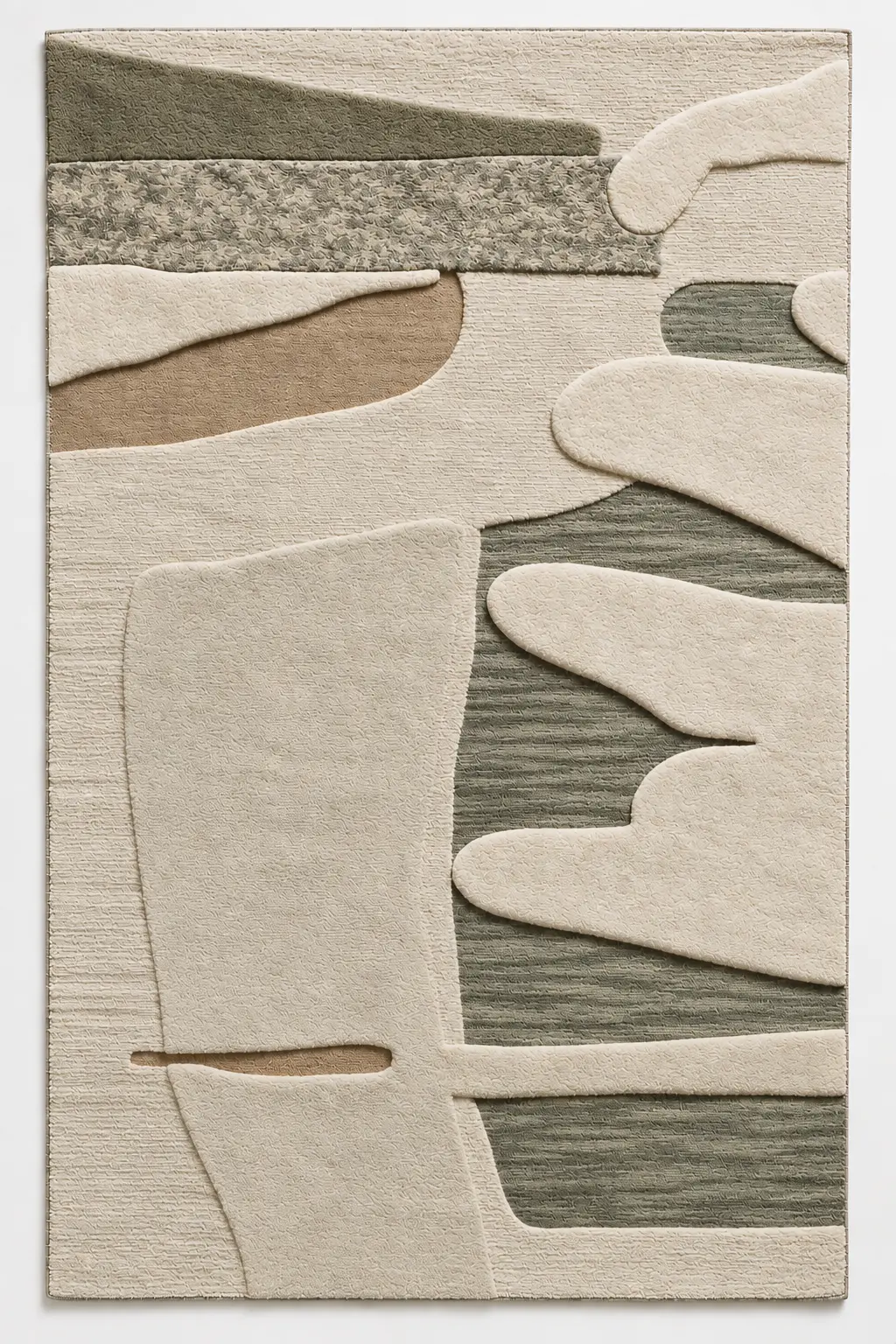
If there's a single trend that defines 2026, it's the elevation of texture above colour and pattern. High-low pile, bouclé loops, cut-and-loop combinations, and hand-carved surfaces create visual depth without chromatic noise.
This approach gives interior designers and homeowners flexibility — a heavily textured neutral rug works with virtually any palette and adapts as surrounding decor evolves. It's investment-grade versatility. Browse our texture collection to see the range of surfaces available.
Key Textures for 2026
- High-Low Pile: Alternating cut and loop heights create dimensional patterns that shift with light throughout the day.
- Bouclé: Looped fibres deliver a tactile, nubby surface that's distinctly modern. Read our bouclé guide for specifics.
- Hand-Carved: Artisans shave sections of the pile to different heights, creating three-dimensional effects within a single colour field.
- Ribbed / Corduroy: Emerging in 2026 as a fresh alternative to flat weaves, ribbed textures add linear rhythm to a room's surface language.
3. The Return of Subtle Pattern
After several years of solid-colour minimalism, pattern is re-entering the conversation — but quietly. The bold geometric motifs that characterised the 2019–2022 era have given way to tone-on-tone designs that reveal themselves gradually.
Think abstract watercolour effects, organic hand-drawn lines, and gently undulating stripes rather than sharp chevrons or medallions. The goal is a rug that adds intrigue on closer inspection, not one that dominates the room from the doorway.
4. Round and Organic Shapes
Round rugs have moved from niche to mainstream. In open-plan spaces, they define zones without the rigid boundary of a rectangle. Under round dining tables, they're the natural choice. In reading corners and bedroom alcoves, they soften angular architecture.
Beyond circles, we're seeing irregular, organic shapes — kidney-form, pebble-inspired, and free-hand curves — in high-end installations. These are statement pieces rather than everyday choices, but they signal where design is heading.
5. Craft Transparency
Consumers in 2026 want to know who made their rug, where, and how. The anonymous mass-market approach is losing ground to brands that disclose workshop origins, material sourcing, and production methods. This isn't a marketing trend — it's a fundamental shift in buying behaviour.
Hand-knotted rugs, with their inherent individuality and traceable origins, are the natural beneficiaries. Every knot is tied by a specific artisan's hands, and that provenance adds meaning that machine production cannot replicate. Learn more about our craft and production philosophy.
6. Sustainability as Baseline
Sustainability is no longer a differentiator — it's an expectation. In 2026, UK consumers assume that a premium rug uses natural, biodegradable materials, supports fair-wage workshops, and avoids environmentally harmful dyes. Brands that don't meet this baseline are filtered out before the design conversation even begins.
The leaders are those going further: using undyed wool, investing in regenerative pastoral practices, and designing for 30+ year lifespans that inherently reduce consumption.
7. The Oversized Rug
Bigger is better in 2026. The 200×290 cm rug remains the standard, but the trend is pushing towards 250×350 cm and 300×400 cm as default sizes for living rooms. An oversized rug eliminates the floating-island effect, connects all furniture to a single surface, and makes rooms feel more cohesive.
This trend is partly practical — open-plan living demands larger floor coverage — and partly aesthetic: a single, expansive rug has more visual impact than a smaller piece surrounded by bare floor. For sizing specifics, see our UK rug size guide.
What's Fading
Every trend cycle retires its predecessors. In 2026, the following are declining:
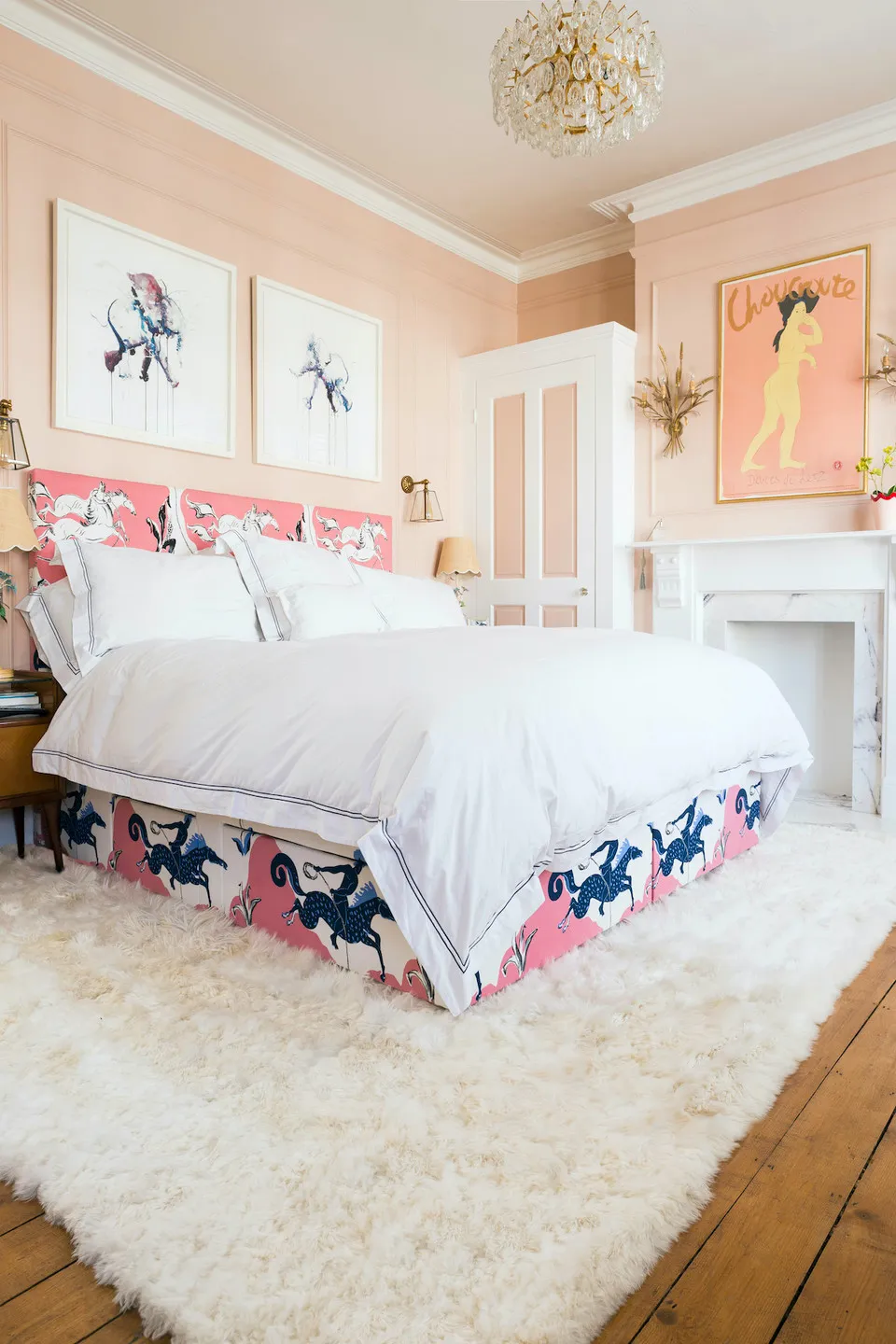
- Shaggy, deep-pile rugs — once synonymous with luxury, now associated with difficulty to clean and dated aesthetics.
- Machine-made "distressed" rugs — the artificially aged look has run its course. Genuine vintage remains desirable; imitations do not.
- Cool grey palettes — replaced by the warm tones described above.
- Ultra-thin flatweaves in living spaces — while still relevant for hallways and runners, living rooms demand more substance underfoot.
Explore our living room rug collection to see how these trends translate into actual products for your home.