Hallway Runner Guide:
How to Choose the Right Rug
Your hallway is the first impression of your home. A well-chosen runner rug turns a forgotten passageway into a considered, welcoming entrance.
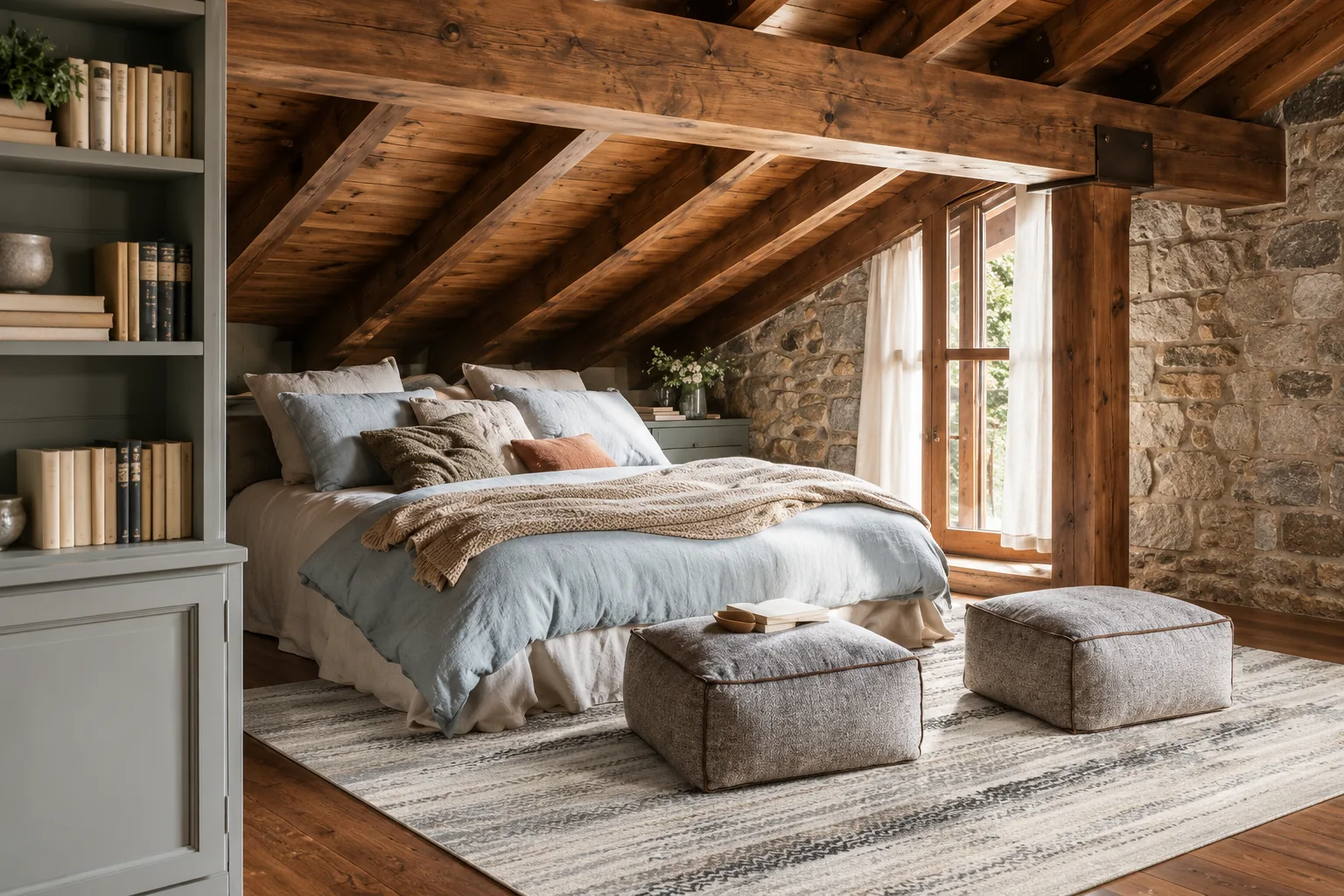
Hallways are high-traffic, high-visibility spaces — yet they're often the last room to receive any design attention. A runner rug changes that instantly, adding warmth, texture and a sense of intention.
In this guide, we cover everything you need to know: sizing rules, placement principles, the best materials for durability, and styling ideas for every type of hallway.
Why Every Hallway Deserves a Runner
Without soft furnishings, hallways can feel cold, echoey and uninviting. A runner rug solves all three problems at once:
- Warmth underfoot — especially important on tile, stone or hardwood floors
- Noise reduction — absorbing footfall in the busiest part of your home
- Floor protection — guarding against scuffs, scratches and daily wear
- Visual cohesion — connecting your entrance to the rest of your interior
A well-chosen runner makes your home feel more considered from the moment you step inside. Explore our luxury rug collections for styles suited to modern hallways.
What Size Runner Should You Choose?
Proportion is everything. A runner that's too wide overwhelms the space; too narrow and it looks like an afterthought. The golden rule:
Leave 10–20 cm of visible floor on each side. The runner should sit centrally, never touching the walls.
60 × 180 cm
Suited to short hallways, entranceways and landings. Adds a finishing touch without dominating.
Best for: Short hallways
70 × 240 cm
The most versatile runner size. Works in standard UK hallways and provides a balanced, proportional look.
Best for: Standard hallways
80 × 300 cm
Ideal for longer corridors and grand entrances. Creates a runway-like effect that draws the eye through the space.
Best for: Long hallways
If your hallway has non-standard dimensions, our bespoke service means every rug can be customised to your exact measurements. For more on standard rug dimensions, see our complete rug size guide.
Three Placement Rules That Always Work
1. Keep It Centred
Your runner should sit dead-centre in the hallway, equidistant from both walls. An off-centre runner immediately looks unintentional — no matter how beautiful the rug itself.
2. Leave a Border
Visible flooring around the edges creates breathing room and prevents the hallway from feeling cramped. This border also highlights the flooring material underneath, adding a layer of contrast.
3. Never Go Wall-to-Wall
A runner that touches both walls stops being a runner and starts looking like poorly fitted carpet. The whole point is a defined, intentional strip of texture — leave the edges clean.
Best Materials for High-Traffic Hallways
Your hallway sees more daily footfall than almost any other room. Material choice matters more here than anywhere else in the house. Understanding what separates premium materials from standard ones is key — our guide on what makes a rug luxury covers the full breakdown. For a dedicated look at durability in busy spaces, see our guide to best rugs for high-traffic areas.
Bouclé and textured weaves are particularly well-suited to hallways — they're hardwearing and visually forgiving. Read our bouclé rugs guide for a deeper look at the texture. You can also explore our full texture range to compare options side by side. Learn more about how our rugs are made on our craft page.
Styling Your Hallway Runner
Keep Colours Cohesive
A hallway connects rooms, so your runner should complement the tones used elsewhere in the house. Neutral palettes — cream, warm grey, soft sand — create flow without competing. Browse our cream rugs for versatile neutral options. Our guide on cream rugs and practicality is also worth reading if you're drawn to lighter tones.
Pair With Lighting
Hallways are often under-lit. A runner combined with considered lighting — wall sconces, pendant lights, or a well-placed table lamp — transforms a corridor into a genuinely inviting space.
Add Depth With Texture
In a narrow space, pattern can feel overwhelming. Texture is a subtler way to add richness — it rewards close inspection without demanding attention from a distance. Browse our texture collection to see how different weaves catch the light.
Runner Ideas by Hallway Type
Narrow Hallways
- • Use a slim 60 cm-wide runner
- • Stick to lighter tones to widen the space
- • Avoid bold, busy patterns
Long Corridors
- • Opt for 80 × 300 cm or longer
- • Layer with lighting and wall art
- • A single long runner beats multiple short ones
Open Hallways
- • Use the runner to define the path
- • Coordinate with rugs in adjoining rooms
- • Consider matching textures for continuity
Common Mistakes to Avoid
Choosing a runner that's too wide
It should never touch the walls — leave 10–20 cm of visible floor on each side.
Letting the rug reach the walls
Wall-to-wall coverage removes the runner effect and looks like fitted carpet.
Using a thick, high-pile rug
In a doorway or corridor, thick rugs become trip hazards and catch on doors.
Ignoring the rest of the colour scheme
Your hallway connects every room — the runner should complement, not clash.
The Finishing Touch
A hallway runner is one of the simplest, most effective upgrades you can make to your home. The right size, the right placement, the right texture — and suddenly your hallway isn't just a space you walk through. It's a space you notice.
Start with proportion, choose a material that can handle daily life, and pick a tone that connects with the rest of your interior. The result is a home that feels intentional from the very first step.
Frequently Asked Questions
Find the perfect runner for your hallway
Every design is made bespoke in your choice of size, texture and colour.