Japandi Rug Styling – The Quiet Foundation of a Calm Room
Japandi lives or dies on texture. Here's how to choose a rug that carries the warmth of Scandinavian design and the discipline of Japanese interiors – without tipping into either cliché.
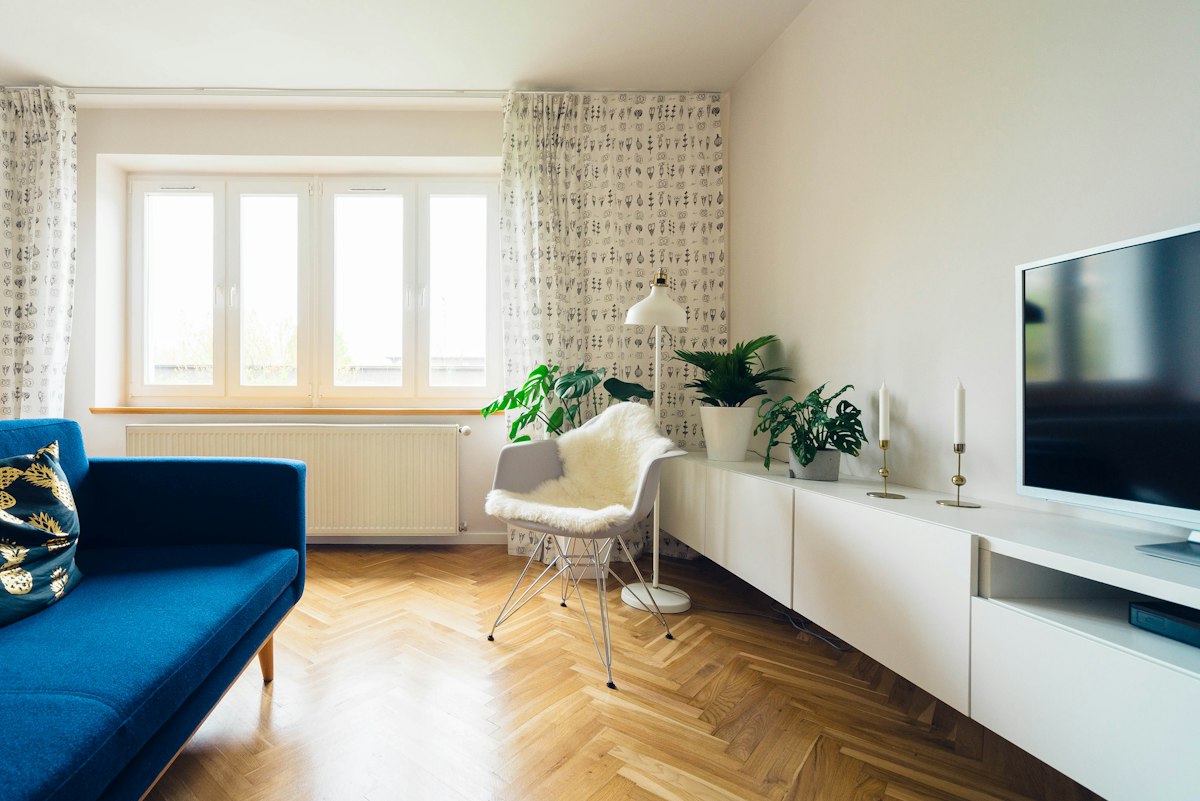
The Short Answer
Choose an undyed or softly muted wool rug in a warm neutral – oat, ivory, sand or mushroom – with either a plain field or a very quiet bouclé loop. Size it generously so every seat touches it, and leave a clean border of visible floor around the edge.
That single decision does more for a Japandi room than any amount of styling on top of it.
What Japandi Actually Asks For
Japandi is the meeting point of two traditions that already agreed on most things: honest materials, visible craft, and a deep suspicion of clutter. Scandinavian design brings the warmth – pale timber, soft wool, generous light. Japanese interiors bring the discipline – negative space, low horizons, nothing decorative for its own sake.
A rug sits at the exact intersection. It's the largest soft surface in the room, so it sets the temperature of everything above it. Get the texture right and the space feels considered. Get it wrong – a glossy fibre, a busy motif, a rug two sizes too small – and the whole composition reads as a showroom rather than a home.
The Palette
| Tone | Works because | Pair with |
|---|---|---|
| Oat / sand | Reads as an extension of natural timber | Oak, ash, pale linen |
| Ivory / cream | Lifts north-facing rooms without going stark | Walnut, black metal accents |
| Mushroom / taupe | Grounds a room with lots of white walls | Stone, ceramic, raw plaster |
| Charcoal (accent) | Provides the single dark note Japandi allows | Pale floors, light upholstery |
Our cream rug collection covers most of this range, and the luxury wool designs carry the same tones in heavier constructions.
Texture Does the Work
Because Japandi strips out pattern and colour, texture becomes the only variable left. A flat, uniform surface can feel cold; a deep shag feels too casual. The sweet spot is a matte wool pile with subtle irregularity, or a bouclé loop that catches light across the surface without ever forming a motif.
Compare the surfaces side by side in our texture guide, and read the fibre-by-fibre breakdown in the rug material and texture guide. If the room takes daily traffic, wool is the safe choice – see rugs for high-traffic areas.
Sizing and Placement
Japandi rooms tend to have low furniture and long sightlines, which makes an undersized rug painfully obvious. Aim for 200 × 300 cm in a standard living room and 250 × 350 cm in open-plan spaces, with the front legs of every seat resting on the rug.
Leave 30–45 cm of visible floor around the edge – the exposed timber border is part of the design, not wasted space. Our complete rug size guide works through the measurements room by room, and the rug size calculator gives you a size in a few seconds.
Room by Room
Living room – one large plain wool rug, no layering. Let the sofa and low table do the composition. Start with our living room rug edit.
Bedroom – a soft ivory or oat rug running under the bed and past the footboard, so bare feet land on wool every morning. See bedroom rugs.
Study or hallway – a tighter, lower pile in mushroom or charcoal. Keep the pattern flat and the edges clean.
Three Mistakes to Avoid
- Too much pattern. A single quiet line is the ceiling. Anything busier competes with the architecture.
- A shiny fibre. Viscose and silk-look surfaces reflect light in a way that undermines the matte calm the style depends on.
- A rug that's too small. The most common failure by far – it makes the furniture look like it's floating rather than settled.
Frequently Asked Questions
Shop Japandi-Ready Rugs
Hand-finished wool and bouclé designs in warm neutrals, made to your exact size and shipped worldwide.