Best Rug for Sound Absorption – Acoustics & Echo on Hardwood Floors
Modern interiors – open plans, tall ceilings, glazed walls and hardwood or stone floors – sound as sharp as they look. A well-chosen rug is the single most effective decorative intervention for softening the echo and footfall of a hard-surfaced room.
Quick Answer
- Dense, high-pile hand-knotted wool is the most acoustically effective rug material
- Pair the rug with a 10 mm felt or felt-rubber pad for maximum absorption
- Cover at least 60–70% of exposed floor to noticeably reduce echo
- Pile height of 10–15 mm gives the best balance of absorption and maintenance
- Synthetics reflect more sound than wool – material choice matters more than pattern
Why Modern Rooms Sound Harsh
Contemporary architecture favours the surfaces that reflect sound most aggressively: hardwood or stone floors, plaster ceilings, plate glass, and minimal soft furnishing. Speech becomes brittle. Music loses warmth. Footsteps sound louder than they should. This is reverberation – the acoustic signature of a room with nothing to absorb its sound waves.
The floor is the largest single surface in any room, which makes it the most important place to introduce absorption. Curtains and upholstery help, but a large rug is uniquely effective because it covers so much area – and because footfall, the dominant impact noise in most rooms, happens on the floor.
The Science of Sound Dampening
Sound waves are absorbed when they enter a porous material and lose energy to friction. Dense, fibrous surfaces – like a high-pile wool rug – convert acoustic energy into a tiny amount of heat as the sound wave weaves through the fibres. The more fibre, and the more irregular its structure, the more effective the absorption.
Wool outperforms synthetic pile because its fibres are naturally crimped and hollow-cored. Sound waves entering a wool pile bounce and scatter through an irregular fibre matrix; the same waves hitting a smoother synthetic pile reflect off almost as efficiently as they would off a hard floor. This is why our wool textures feel warmer acoustically as well as visually.
Best Materials for Acoustic Rugs
New Zealand wool is the top choice. High absorption, low reflection, natural resilience. Every rug from The Rug Office is hand-knotted from New Zealand wool for exactly this reason – it behaves better underfoot and overhead.
Wool-silk blends add lustre but reduce absorption slightly. Reserve them for formal spaces where acoustics are less critical than sheen.
Polypropylene and polyester are the weakest acoustic performers. The smoother fibres reflect more sound and lose absorption faster as the pile flattens. Read our polyester rugs guide for the full comparison.
Pile Height and Absorption
Higher pile absorbs more sound – but only up to a point. A 10–15 mm hand-knotted wool pile delivers most of the acoustic benefit of a much shaggier rug while remaining practical to maintain. Extremely deep shag piles absorb marginally more but crush, shed, and trap dust in living areas.
Flatweaves offer the least absorption but still reduce footfall impact dramatically and are ideal for hallways where pile height is impractical. See our flatweave guide for where they work best.
The Rug Pad Is Half the System
A dense felt or felt-rubber rug pad, 10 mm thick, is the single most cost-effective acoustic upgrade you can add. It decouples the rug from the hard floor, adds mass to the system, and turns the whole assembly into a much more effective absorber. Skipping the pad can halve the acoustic performance of even a heavy wool rug.
The pad also reduces impact noise transferred to rooms below – critical in apartments and upstairs living rooms. A rug alone softens the sound above; a rug plus a proper pad softens the sound below.
Sizing for Acoustic Impact
The larger the rug, the more sound it absorbs. For a noticeable difference, cover at least 60–70% of the exposed floor. In a typical UK living room that means 240×340 cm or larger; in a US great room, a 9×12 ft rug is the sensible minimum. Use our rug size calculator to fit the space precisely.
In tall-ceilinged rooms, adding a second rug – under a dining table or in a reading corner – multiplies the acoustic benefit further. Two well-placed rugs will outperform one oversized rug of the same total area, because they break up sound reflections from multiple directions.
Rugs on Hardwood Floors: A Special Case
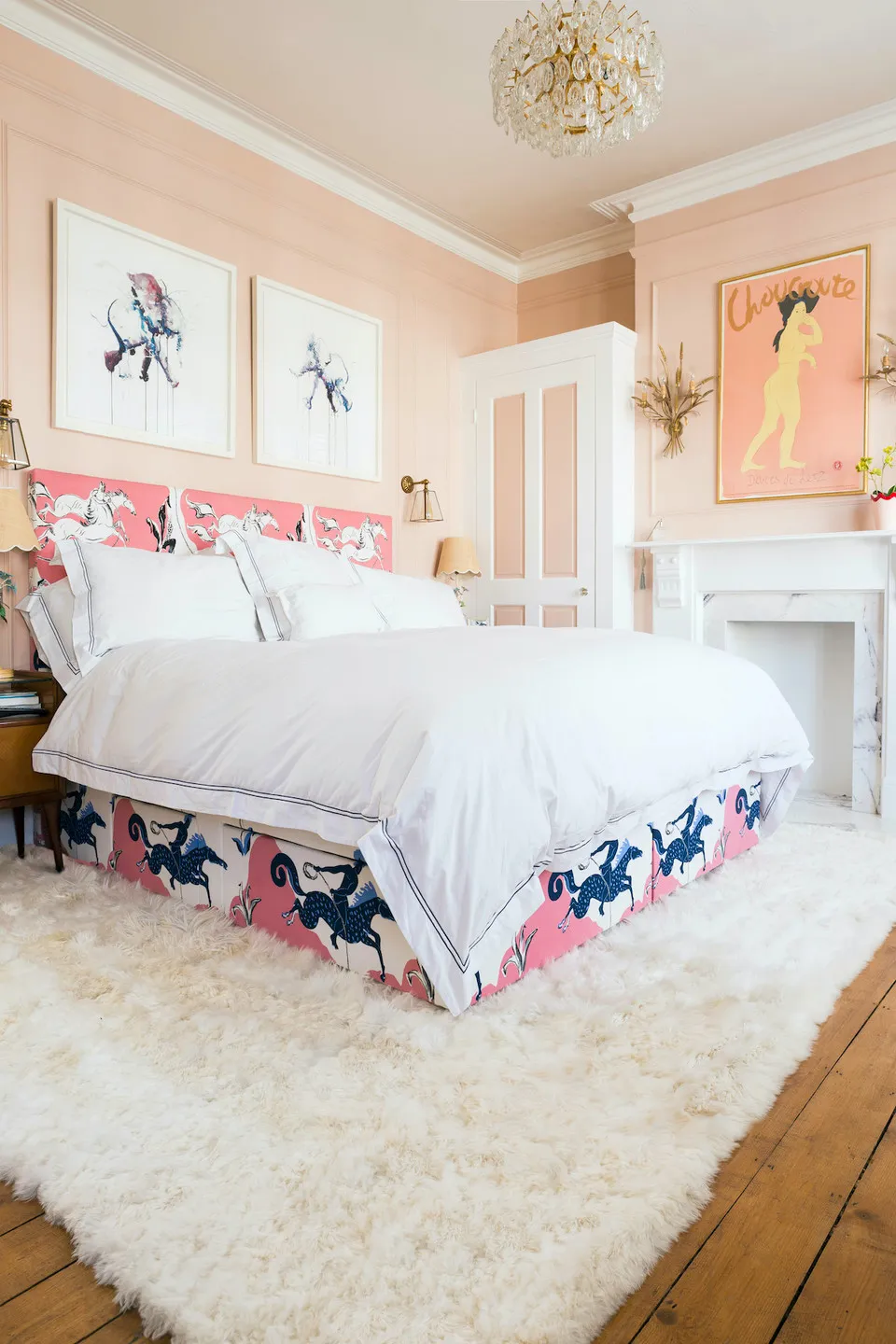
Hardwood is beautiful, but it's one of the most reflective floor surfaces available. Any hardwood-floor room without a rug will have a distinct hard-edge quality to the sound – footfall clicks, chairs scrape, and voices carry. A large hand-knotted wool rug transforms this instantly.
For open-plan living-dining spaces on hardwood, aim for two rugs – one anchoring the seating area, one under the table. Explore our hardwood floors rug guide for placement details, and browse the living room collection for hand-knotted designs sized for real rooms.
Frequently Asked Questions
Find a Rug That Sounds as Good as It Looks
Every rug from The Rug Office is hand-knotted from New Zealand wool – the material that outperforms every alternative for sound absorption. Choose from standard and custom sizes, and pair with a quality felt pad for a room that sounds as considered as it looks.