Flatweave Rugs Explained: The Modern Buyer's Guide
Flatweave has quietly become the most versatile construction in modern interiors – thin enough to slide under doors, tough enough for hallways, and refined enough for the living room. Here's everything to know before you buy.
What Is a Flatweave Rug?
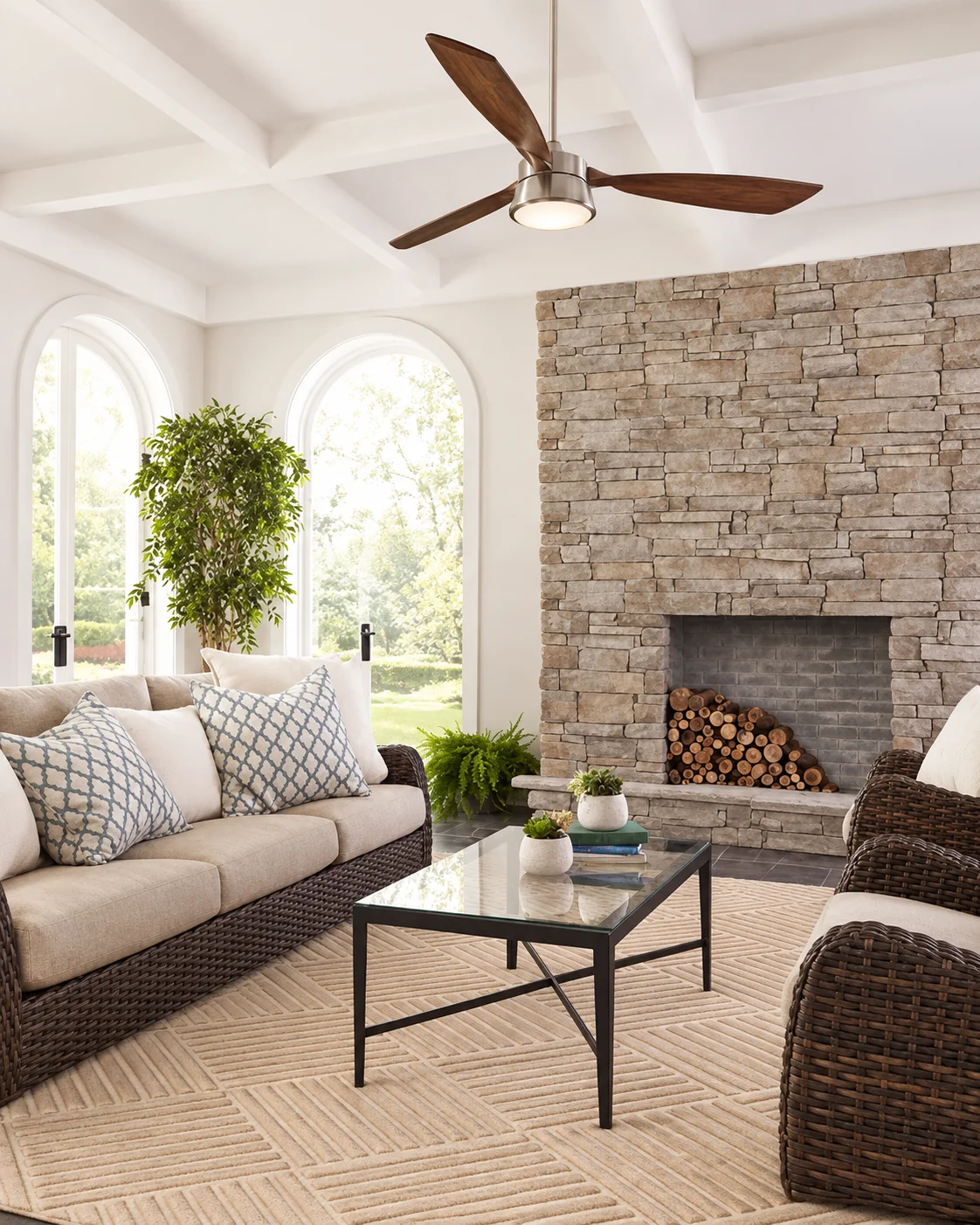
A flatweave is exactly what it sounds like: a rug woven flat on a loom, with no pile, no knots and no tufts. The warp and weft threads interlace directly, producing a thin, smooth, often reversible surface that sits almost flush with the floor.
The category includes well-known styles – kilims, dhurries, soumaks – as well as contemporary wool and cotton designs. Browse our flatweave rug collection or compare constructions in our texture guide.
Why People Buy Flatweave
Low profile
A flatweave typically sits between 3 mm and 8 mm tall. Doors swing freely above it, dining chairs slide cleanly across it, and it never interrupts the line of an open-plan room.
Durability
With no pile to crush or shed, flatweaves age slowly. A good wool flatweave can live in a hallway for a decade and still look composed – which is why they're our default recommendation for high-traffic areas. Read our detailed guide to rugs for high-traffic areas for more on durability.
Reversibility
Most flatweaves can be used on either side, effectively doubling their lifespan. Rotate the rug every few months and the wear distributes evenly.
Where Flatweave Works Best
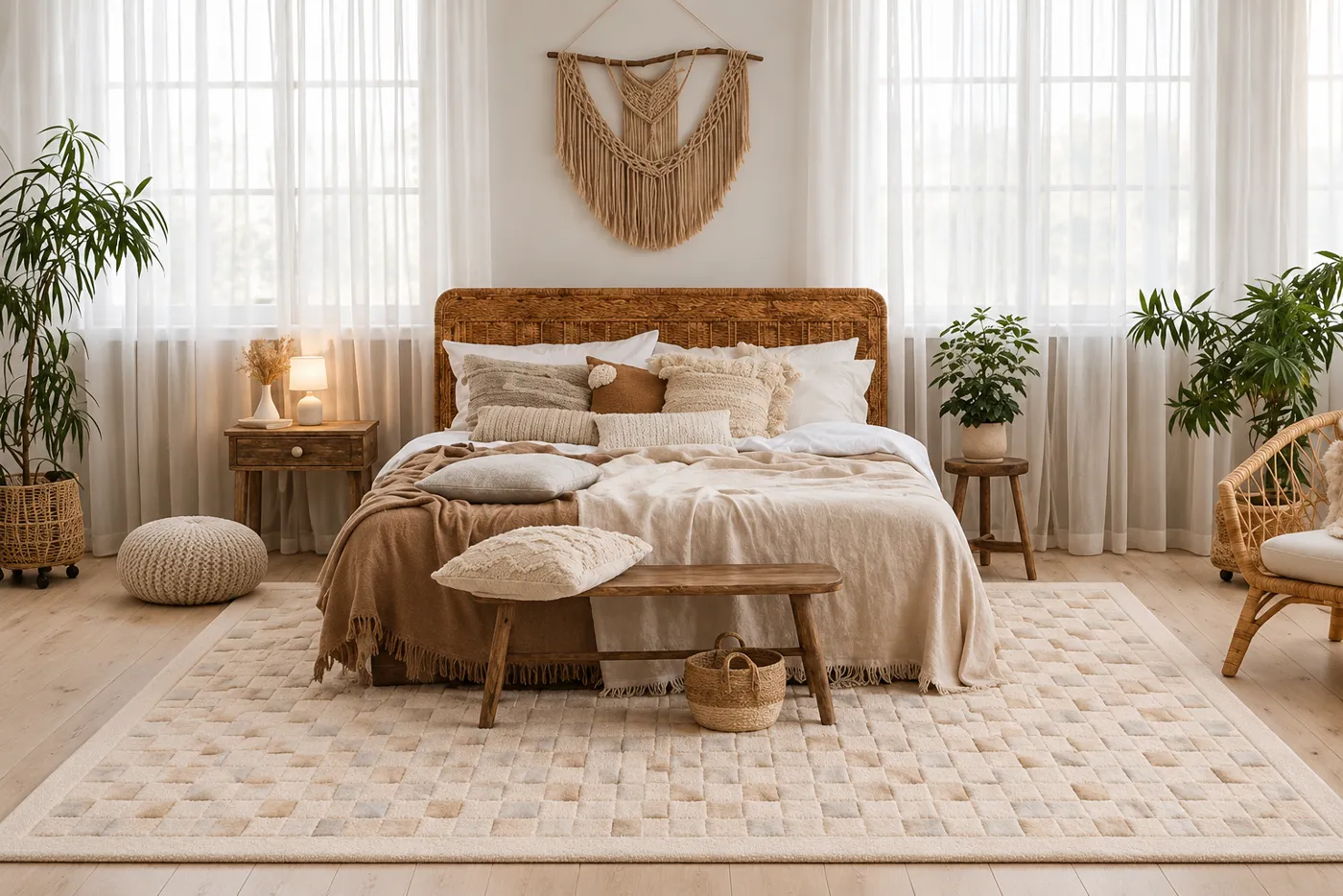
Flatweaves are the right choice in any room where furniture moves frequently, doors clear narrowly, or foot traffic is heavy. In a hallway, a flatweave runner stays put and shrugs off dirt brought in from outside – our hallway runner guide covers sizing in detail.
In dining areas, a flatweave is almost the only construction that genuinely works under a dining table – chairs glide instead of catching. In open-plan living rooms, layering a flatweave under a smaller pile rug is a designer trick to add visual depth without bulk. For sizing, see our living room rug size guide.
Flatweave vs Pile: An Honest Comparison
| Quality | Flatweave | Pile (tufted / knotted) |
|---|---|---|
| Thickness | 3–8 mm | 10–25 mm |
| Underfoot feel | Firm, textile-like | Soft, cushioned |
| Best rooms | Hallway, kitchen, dining, layering | Living room, bedroom |
| With pets | Excellent – nothing to snag | Good (avoid long loops) |
| Lifespan | 10–20 years | 10–30+ years |
If you're weighing flatweave against a textured loop, our bouclé rugs guide covers the other end of the same spectrum.
What To Look For When Buying
Fibre matters most. Wool flatweaves are the gold standard – naturally stain-resistant, springy, and warm. Cotton flatweaves are lighter and easier to wash but less hard-wearing. Jute and sisal blends are beautiful but rougher underfoot – worth reading our jute rugs overview before committing.
Weave density is the second test. A tightly woven flatweave feels structured in the hand and doesn't deform when folded. Loose weaves look fine on day one but pull apart at the edges within a year or two.
Is Flatweave Worth Investing In?
For the right room, absolutely. A well-made wool flatweave is one of the longest-lived rugs you can buy – and because it's reversible, you effectively own two rugs. The understated look ages well as styles change around it, which is part of what makes a rug genuinely luxury.
Every flatweave in our collection is made bespoke in your exact dimensions. Browse our luxury rug collection, or for a non-standard size, get in touch with your measurements.
Frequently Asked Questions
Explore Flatweave Rugs at The Rug Office
Hand-woven flatweaves in pure wool, made to your exact size and shipped worldwide.