Best Bedroom Rugs: The 2026 Bedroom Rug Guide
Your bedroom is the one room where comfort outranks everything else. The right rug transforms cold flooring into a soft, tactile surface that sets the tone the moment you step out of bed. This guide focuses exclusively on materials, textures, and styling — so you can choose a bedroom rug that genuinely improves how the room feels.
Quick Answer
The best bedroom rugs in 2026 are hand-knotted New Zealand wool in soft, neutral tones with a cut-pile or soft texture. Prioritise comfort and warmth over high-traffic durability. For sizing guidance, see our Rug Size Guide UK.
Why Bedroom Rugs Are Different
A living room rug needs to withstand daily foot traffic, spills, and furniture weight. A bedroom rug has a fundamentally different job: it needs to feel extraordinary underfoot at 6am. That distinction changes every decision — from fibre choice to pile height to pattern intensity.
Bedrooms are low-traffic, climate-controlled environments. You can afford to choose softer, more delicate materials that wouldn't survive a hallway or dining room. This is where luxury materials truly justify themselves.
The Best Materials for Bedroom Rugs
New Zealand Wool
The benchmark for bedroom rugs. New Zealand wool has longer fibres than standard wool, which translates to a softer hand-feel, better resilience, and a natural lustre that synthetic fibres can't replicate. It regulates temperature naturally — warm in winter, breathable in summer — and resists dust mites, making it a strong choice for allergy-conscious homes.
Wool-Viscose Blends
Adding viscose to a wool base introduces a silky sheen and a more refined surface. The blend works particularly well in bedrooms because the subtle shimmer catches natural light, giving the rug a depth that pure wool doesn't achieve. The trade-off is slightly lower durability — but in a bedroom, that's rarely a concern.
Cashmere and Silk Accents
For those seeking the absolute pinnacle of softness, rugs with cashmere or silk detailing offer an unmatched tactile experience. These are investment pieces — reserved for master bedrooms where the rug is a centrepiece, not a background element.
Textures That Work in Bedrooms
Texture is what separates a functional floor covering from something you actually look forward to stepping on. In 2026, the strongest bedroom textures fall into three categories:
Cut Pile
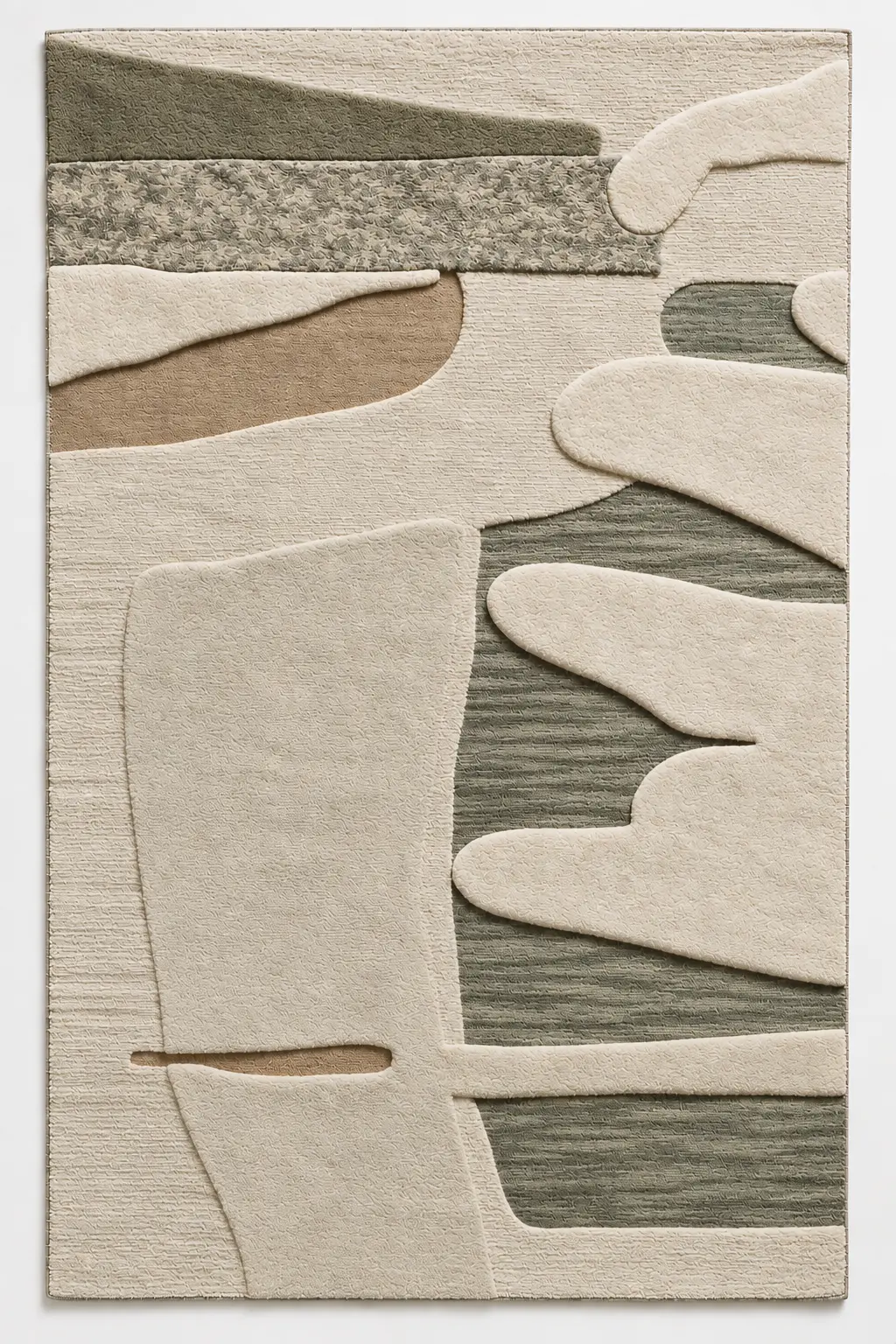
Sheared loop ends create a smooth, velvety surface. Cut pile is the softest option and the most popular for bedrooms. It shows vacuum lines and footprints, which adds to the lived-in, luxurious feel of the room.
Bouclé (Loop Pile)
Looped fibres create a textured, slightly nubby surface with excellent structure. Bouclé works well at the foot of a bed or in reading nooks within a bedroom. It's marginally firmer than cut pile but adds visual interest through its organic surface. For a deeper look at this texture, read our Bouclé guide.
High-Low Pile
Combining cut and loop techniques, high-low pile creates dimensional patterns without adding colour. The interplay of heights catches light differently throughout the day — a particularly beautiful effect in bedrooms with south-facing windows. Explore our full range of textures to compare options side by side.
Colour and Mood
Bedroom colour palettes in 2026 lean decisively towards warmth and restraint. The goal is a space that calms the nervous system — not one that demands attention.
Warm Neutrals
Ivory, cream, warm sand, and soft taupe dominate. These tones reflect natural light, make rooms feel larger, and pair with virtually any bedding and curtain combination. Browse our cream rugs collection for curated options.
Muted Earth Tones
Olive, terracotta, and clay add personality without overstimulating. These work best in bedrooms with white or off-white walls, where the rug provides the room's primary colour accent.
Deep Darks
Charcoal, slate, and deep navy create a cocooning effect that many find restful. Dark rugs ground a bedroom with lighter walls and bedding, creating a layered, considered atmosphere.
Styling a Bedroom Rug
Placement matters as much as the rug itself. For detailed layout options, see our bedroom rug placement guide. Here, we'll focus on the styling decisions that bring the room together.
Let the Rug Lead
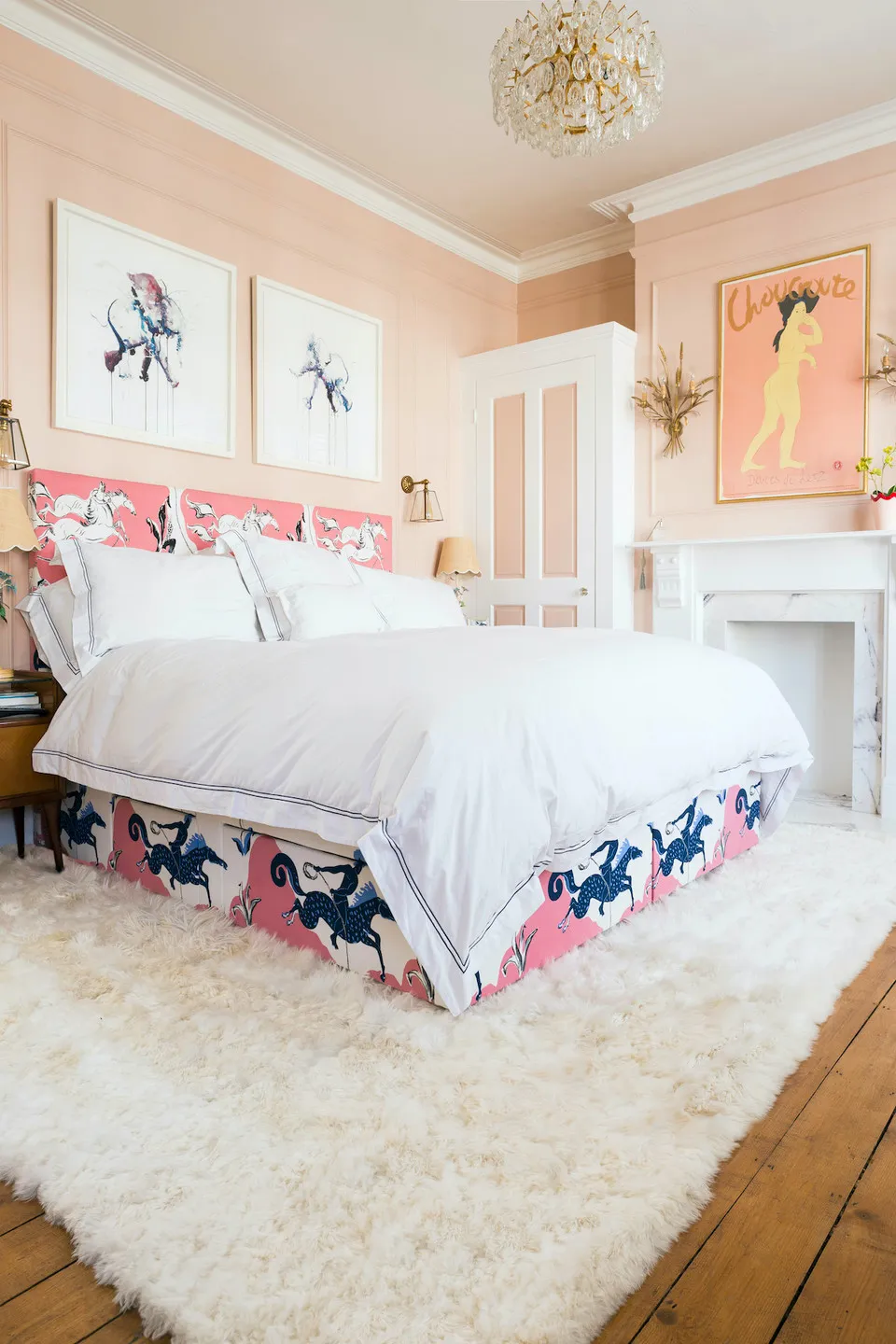
In a bedroom, the rug and bedding share visual dominance. Choose one to lead and let the other follow. A textured neutral rug pairs with patterned bedding; a subtly patterned rug works best with solid linens.
Layering
Placing a smaller, more decorative rug over a larger, plainer one creates depth and allows you to experiment with pattern without committing to a full room-sized piece. This technique works especially well at the foot of a bed.
Bedside Runners
Two matching runners placed on either side of the bed offer a symmetrical, hotel-suite feel. This approach suits narrower bedrooms where a single large rug would look forced.
What to Avoid
Synthetic fibres: Polyester and polypropylene feel noticeably different underfoot. In a bedroom — where bare-foot contact is constant — the difference between natural and synthetic is immediately apparent.
Very thin pile: Flatweave rugs suit hallways and kitchens but feel underwhelming in a bedroom. Aim for at least 15 mm pile height for genuine comfort.
Overpowering patterns: Bold geometrics and high-contrast motifs energise a space. For a room designed for rest, subtlety wins.
Our Recommendation
For 2026, invest in a hand-knotted New Zealand wool rug in a warm neutral tone with a cut-pile or high-low texture. It will feel exceptional underfoot, age gracefully, and anchor the bedroom's design for years. Explore our bedroom rug collection to find the right piece.