Founder Journal – Hugo, The Rug Office
Texture as Architecture – How Material Shapes a Room
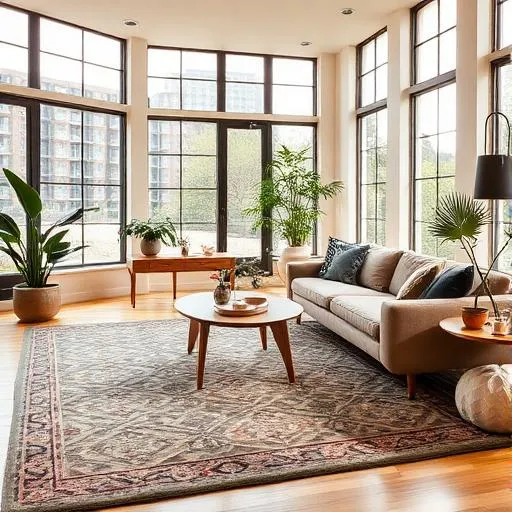
People talk about rugs in terms of colour and pattern. That's how rugs are photographed, sold, and discussed online. But once a rug is in your home, the thing you actually live with – every day, with your eyes and your feet – is its texture. Texture is what makes a room feel calm or busy, soft or formal, contemporary or classical. It is, in a real sense, architectural.
That's why our texture library exists as its own destination – separate from the colour-led full catalogue. Choose the texture first, then the design. It's the reverse of how most people shop, and it produces dramatically better results.
Wool – The Default for a Reason
Hand-knotted wool is the workhorse of the luxury rug world, and rightly so. It is naturally stain-resistant, springs back from compression, and ages with character rather than wear. In a busy living room or a hallway, it's almost always the right answer.
Our rug material and texture guide covers the difference between New Zealand wool, Tibetan highland wool, and the wool-silk blends we use for the finer designs in the Living Room Collection. If you're new to rug materials, start there.
Bouclé and Loop – Quiet Drama
Bouclé is having a moment, and not by accident. The looped pile catches light differently from cut pile, creating a quiet, three-dimensional surface that reads as sculptural even in a neutral palette. It pairs beautifully with the curved-furniture trend that has defined interiors over the last few years.
We covered this in detail in bouclé rugs explained – are they worth it? The short version: yes, in the right room. In the wrong room, the texture disappears.
Silk and Bamboo Silk – Light as a Material
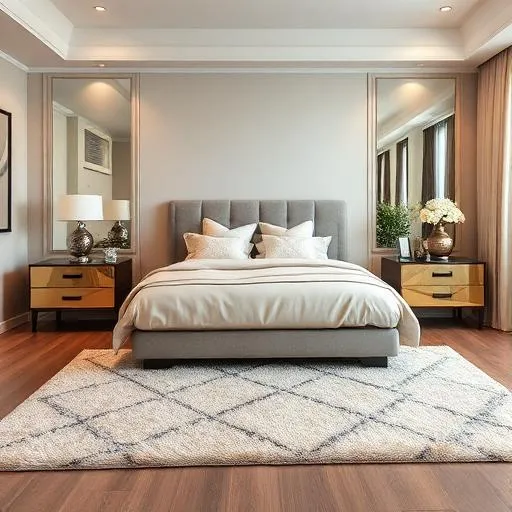
Silk and bamboo silk catch light in a way no other fibre does. A subtle pattern in silk can look completely different from one end of the room to the other depending on the angle. In a master bedroom with soft morning light, this is exquisite. In a high-traffic family room, it's a mistake.
We use silk most often as a highlight fibre – woven through a wool base to lift specific motifs. The result is a rug that changes character through the day, which is something machine-made rugs simply cannot do.
Jute, Sisal and Flatweave – Architectural Restraint
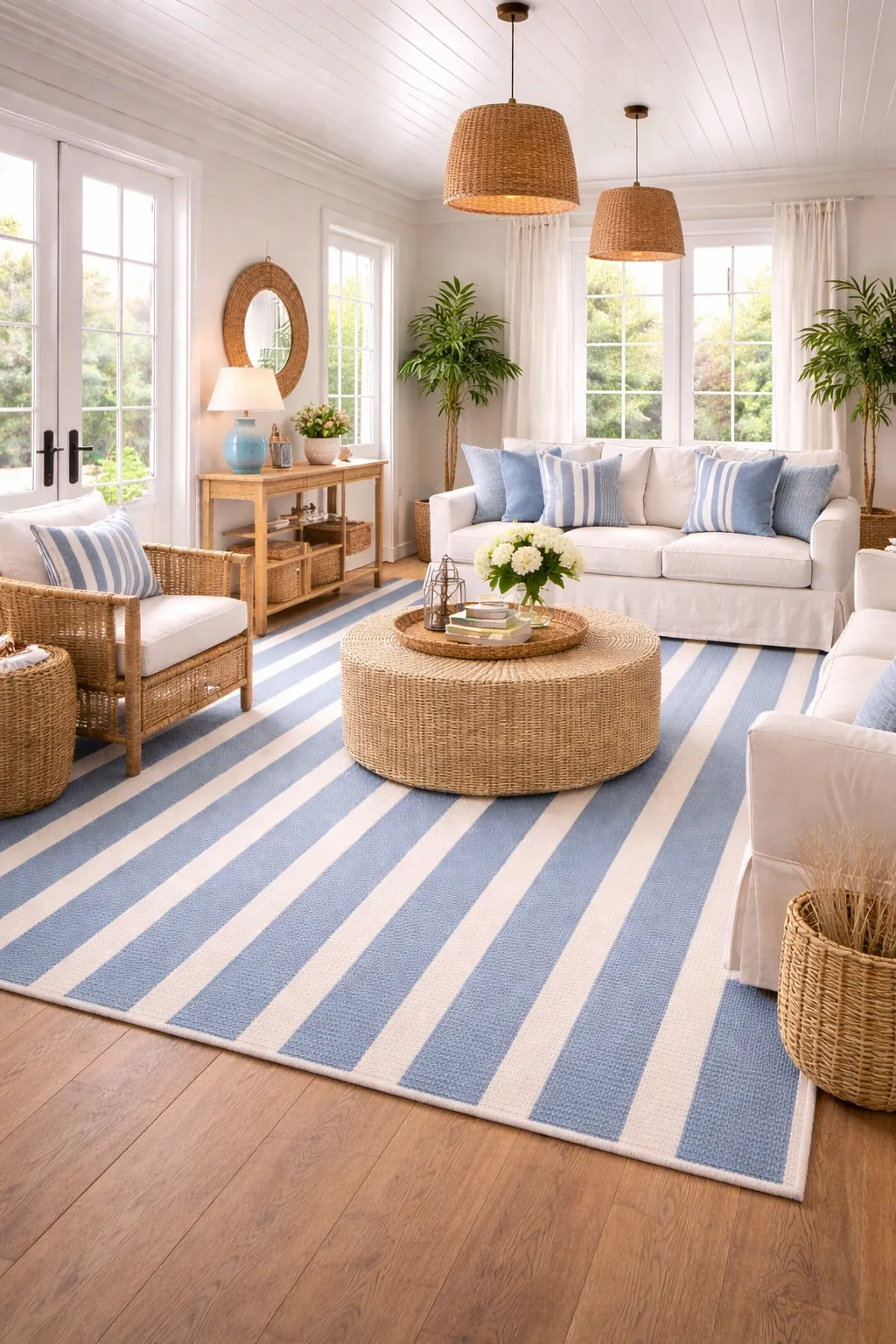
When a room already has a lot going on – strong art, sculptural furniture, layered lighting – the rug should pull back. This is where flatweave, jute, and sisal earn their place. They add warmth and acoustic softness without competing for attention.
Our Beach Cottage Collection leans heavily on these natural-fibre constructions, as does much of the Private Office range, where a low, flat pile is the practical choice as well as the elegant one.
High-Pile and Shaggy – Comfort as a Statement
At the other end of the spectrum, high-pile and shaggy constructions are an explicit statement of comfort. They invite bare feet and lying on the floor. Used well – usually in bedrooms or snug rooms – they completely change how a space is occupied. Used poorly, they become dust traps. The texture comparison page is the fastest way to see all of these side-by-side before you commit.
How to Decide Without Guessing
A practical tool we built specifically for this problem:
- Use the rug size calculator – because texture and size are decided together. A bold texture in a small size is busy. The same texture at the correct size is sculptural.
If you'd like a second opinion before ordering, just contact us – we're happy to suggest texture and size combinations for your specific room.
– Hugo, Founder of The Rug Office